How to Recreate Singapore Restaurant Favourites at Home
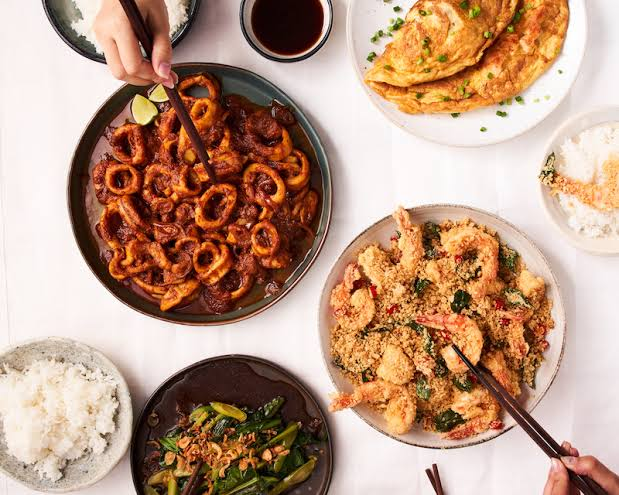
Singapore’s vibrant food culture offers endless inspiration for home cooking, from traditional kaya toast and pandan cakes to delicious restaurant-style desserts. Recreating these dishes becomes easier when ingredients are measured correctly, and using a Grams to Cups Converter helps home cooks translate recipe measurements into familiar cup quantities while maintaining the right balance of ingredients.
Whether you’re experimenting with traditional Singaporean flavours or preparing desserts inspired by your favourite cafés, understanding cooking techniques and ingredient measurements can make a noticeable difference in your results.
Why Singapore’s Food Culture Inspires Home Cooking
Singapore is known for its diverse culinary heritage, combining Chinese, Malay, Indian, and international influences.
Its restaurants, cafés, and hawker centres serve a wide variety of dishes, making the country an exciting destination for food enthusiasts.
Popular favourites such as chicken rice, laksa, nasi lemak, and kaya toast have become recognizable parts of Singaporean food culture.
Many people enjoy recreating similar dishes at home because homemade cooking allows greater control over ingredients, portion sizes, and personal preferences.
Home cooking also provides an opportunity to understand the flavours and techniques behind familiar restaurant dishes.
However, achieving consistent results requires careful preparation, appropriate ingredients, and accurate measurements.
1. Start With Familiar Restaurant-Inspired Dishes
Preparing restaurant-inspired meals at home does not require professional culinary training.
The simplest approach is to begin with dishes that use familiar ingredients and straightforward techniques.
Kaya Toast
Kaya toast is a popular Singaporean breakfast dish traditionally made with toasted bread, coconut jam, and butter.
Its appeal comes from the contrast between crispy bread, creamy kaya, and rich butter.
When preparing homemade kaya, careful measurement of coconut milk, sugar, and eggs helps maintain the intended consistency.
Small changes in ingredient quantities can influence sweetness, thickness, and texture.
Pandan Cake
Pandan chiffon cake is another well-known treat associated with Singapore’s baking culture.
Its light texture, delicate sweetness, and distinctive pandan flavour make it a favourite among dessert lovers.
Unlike simple everyday cooking, chiffon cakes depend on precise ratios between flour, eggs, sugar, and liquids.
Measuring ingredients accurately is particularly important when trying to achieve a soft and airy structure.
Traditional Rice Dishes
Rice-based meals are also excellent options for home preparation.
Dishes inspired by chicken rice or nasi lemak allow cooks to explore different cooking methods, seasonings, and accompaniments.
Using the appropriate quantities of rice, water, and other ingredients helps improve consistency.
2. Understand the Importance of Ingredient Measurements
Accurate measurements are among the most important elements of successful home cooking.
While experienced cooks may adjust seasonings according to taste, baking and certain other preparations require greater precision.
Adding too much flour can produce dry or dense baked goods, while incorrect quantities of sugar or butter can affect moisture and texture.
One common challenge occurs when international recipes use different measurement systems.
Some recipes list ingredient quantities in grams, while others use cups, tablespoons, or teaspoons.
Grams measure mass, whereas cups measure volume.
Because ingredients have different densities, one cup of flour does not weigh the same as one cup of sugar.
Understanding this difference helps prevent mistakes when following recipes from different countries.
3. Learn Common Baking Ingredient Conversions
Home bakers can benefit from understanding basic ingredient measurements before preparing cakes, cookies, or pastries.
The following chart shows approximate conversions for several commonly used baking ingredients.
| Ingredient | Grams | US Cups |
| All-purpose flour | 120 g | 1 cup |
| Granulated sugar | 200 g | 1 cup |
| Butter | 227 g | 1 cup |
| Milk | 240 g | 1 cup |
| All-purpose flour | 60 g | ½ cup |
| Granulated sugar | 100 g | ½ cup |
These values provide a useful reference, although actual measurements can vary depending on the ingredient, measuring technique, and cup standard.
For consistent results, home cooks should use the ingredient-specific conversion values appropriate for their recipes.
A digital kitchen scale remains the preferred option when a recipe provides measurements by weight.
4. Choose Fresh and Suitable Ingredients
Ingredient quality plays an important role in the flavour and texture of homemade dishes.
Fresh ingredients can help improve the overall cooking experience, particularly when preparing meals that depend on distinctive herbs, spices, and aromatic ingredients.
Singaporean cooking frequently incorporates ingredients such as pandan leaves, coconut milk, ginger, garlic, lemongrass, and different types of chilli.
Each contributes a specific flavour or aroma.
When recreating familiar dishes, try to use ingredients that closely match the original recipe.
Substituting important ingredients may change the final taste or texture.
For baking, checking the freshness of flour, eggs, baking powder, and other essentials can also help achieve more reliable results.
5. Follow the Correct Preparation Techniques
Good ingredients and accurate measurements are important, but cooking techniques also influence the final outcome.
Different dishes require different methods, including steaming, baking, boiling, frying, and slow cooking.
Baking
Preheating the oven, following mixing instructions, and using the correct baking temperature are essential steps.
Overmixing certain batters can affect texture, while incorrect oven temperatures may cause uneven baking.
Steaming
Steaming is commonly used for various Asian dishes and desserts.
It allows food to cook using moist heat and can help preserve a soft texture.
Stir-Frying
Stir-frying requires attention to heat, timing, and ingredient preparation.
Preparing ingredients before cooking helps prevent overcooking and makes the process more manageable.
Understanding these methods can make restaurant-inspired meals easier to prepare at home.
6. Adjust Portions Without Changing the Recipe Balance
Cooking for different numbers of people often requires adjusting ingredient quantities.
A recipe designed for two servings may need to be increased for a family gathering, while a large recipe might need to be reduced for an individual meal.
Simply increasing every ingredient without considering cooking conditions may not always produce the desired results.
Some seasonings can be adjusted gradually according to taste, while baking ingredients often require more careful proportional changes.
Home cooks should also consider whether the original pan size, cooking vessel, or oven capacity remains suitable.
When scaling recipes, calculate the new quantities before beginning preparation.
This helps reduce confusion and makes the cooking process more organized.
7. Explore Singapore’s Restaurant Menus for Inspiration
Restaurant menus can provide valuable inspiration for discovering new dishes and flavour combinations.
Browsing different restaurant offerings allows food enthusiasts to explore traditional recipes, international cuisines, and modern interpretations of familiar meals.
Singapore’s dining scene includes everything from affordable local eateries to upscale restaurants serving creative dishes.
Home cooks can use menu descriptions to identify ingredients, cooking styles, and presentation ideas they may want to explore.
However, restaurant menu descriptions do not reveal complete recipes.
Recreating a dish at home often involves researching traditional preparation methods and experimenting with flavours rather than reproducing a restaurant’s exact recipe.
This approach encourages creativity while helping home cooks develop their culinary skills.
8. Avoid Common Home Cooking Mistakes
Even simple recipes can produce disappointing results when important instructions are overlooked.
Several common mistakes are worth avoiding.
Measuring Ingredients Incorrectly
Using inaccurate measurements can affect flavour, texture, and consistency.
Always check whether the recipe uses grams, US cups, or metric cups.
Skipping Preparation Steps
Failing to prepare ingredients before cooking can create unnecessary pressure, especially when working with recipes that require quick cooking.
Overcooking Ingredients
Cooking food for too long can affect moisture, texture, and taste.
Follow recommended cooking times while checking doneness using appropriate methods.
Making Too Many Substitutions
Replacing several ingredients simultaneously can make it difficult to understand why a recipe produces unexpected results.
Introduce changes gradually when experimenting with unfamiliar dishes.
Ignoring Recipe Instructions
Small details such as resting time, mixing order, or ingredient temperature can have a significant impact on certain recipes.
Reading the complete recipe before starting helps avoid preventable mistakes.
9. Make Home Cooking More Enjoyable
Recreating Singapore-inspired dishes should be an enjoyable learning experience rather than a complicated task.
Begin with recipes that match your current skill level and gradually explore more challenging preparations. Srikel Aura Pro Paddle Review Keep common ingredients organized, use reliable measurement methods, and prepare the necessary equipment before cooking.
Recording successful ingredient combinations and cooking adjustments can also help improve future results.
Over time, experimenting with different dishes allows home cooks to become more confident and develop their own preferences.
Final Thoughts
Singapore’s diverse food culture offers plenty of inspiration for anyone interested in preparing delicious meals at home.
From traditional breakfast favourites to restaurant-inspired desserts, recreating familiar dishes provides an opportunity to explore new ingredients and cooking techniques.
Accurate measurements, fresh ingredients, appropriate cooking methods, and thoughtful preparation all contribute to more consistent results.
By understanding these fundamentals, home cooks can prepare their favourite Singapore-inspired dishes with greater confidence and enjoy the process of creating memorable meals in their own kitchens.