How to Choose the Right Puppy for Your Home

Choosing the right puppy starts with understanding your lifestyle, meeting the mother, and asking breeders the hard questions before you fall in love with those puppy eyes.
We know how overwhelming puppy adoption feels. You’re scrolling through adorable photos, reading conflicting advice online, and worrying you’ll pick a pup who doesn’t fit your family. Then the behavioural problems show up months later, or the grooming needs become too much, or the energy level just doesn’t match your home. It’s stressful.
At www.oodlepups.com.au in Brisbane, we’ve guided countless families through choosing puppies from our girls Pip and Rosie. So we’ve seen what works and what leads to regret down the track.
In this article, we’ll guide you on how to choose a puppy breed. You’ll also learn how your lifestyle influences your preference, what to look for in mothers and litters, questions every breeder should answer, and common mistakes that cause headaches later.
Read on to find your perfect match.
What’s Your Reason for Getting a Puppy?
Ask yourself why you want a puppy before you start looking at breeds or visiting breeders, because different motivations lead to different choices.

For example, a family wanting a playmate for the kids needs a patient, gentle pup, not a high-energy working dog. Meanwhile, someone looking for a running partner needs stamina and drive, while elderly owners do better with calmer pets.
When you know your reason, you can narrow down breed type, energy level, and size early. It saves you from falling for a cute pup who doesn’t suit your life down the track.
Getting the Right Puppy: Why It Changes Everything
The right puppy grows into a joyful family member, while the wrong match leads to stress and heartbreak. When you choose poorly, behavioural problems show up within months, and training bills pile up. Some families even end up rehoming their dog before the first year ends.
And here’s the thing: puppies grow into their adult personality fast, so a mismatch between dog and home creates ongoing stress for everyone in your family.
Imagine a high-energy pup in a small apartment with working owners. That dog will chew furniture, bark constantly, and never settle down. So getting it right from the start means setting both you and the dog up for a calmer, happier home.
Start With Your Lifestyle: What Kind of Puppy Fits?
Your daily routine, living space, and family activity level determine which puppies will do well in your home. Many factors play into choosing a puppy, but lifestyle matching prevents most problems before they start.
Here’s how to assess the fit before you fall in love with one:
Consider Your Daily Schedule and Activity Level
Do you work from home or spend 10 hours away each day? This question influences which breeds will suit your environment.
Work-from-home owners can handle breeds that need frequent attention and exercise throughout the day. On the other hand, full-time workers should look for independent puppies who adapt well to alone time (we’ve all been there) and settle for evening activities.
What’s more, active families need energetic breeds suited to long walks and outdoor time, while quieter households do better with calmer, lower-energy pups.
Think About Your Living Space and Home Size
The best part about choosing based on space is that you can rule out incompatible breeds early. Based on our experience, small apartments work fine for many breeds if you commit to daily walks and mental stimulation.
Yard access is nice, but your activity commitment counts more, though large breeds definitely need room to move comfortably. Before you decide, picture the adult dog in your space, not just the adorable puppy you’re cuddling today.
Factor in Grooming and Coat Maintenance
Grooming needs become essential planning if you or family members have allergies. According to research, around 10 to 20% of people worldwide suffer from pet allergies. That’s why many families choose breeds that shed less or produce less dander in their coats.
In our experience with Pip and Rosie, both fleece-coated Labradoodles, low-shedding breeds work brilliantly for allergy sufferers but still need regular coat care and maintenance.
Short-haired dogs shed more but need less grooming time, which affects your weekly schedule and budget. Meanwhile, long-coated breeds need daily brushing and professional grooming every six to eight weeks throughout their lifetime.
Match Energy to Your Family Dynamics
Your family’s energy level and household activity tell you which puppy personality will fit in naturally. So you must match your home’s pace to the right temperament:
- Young Families: Young children need patient, gentle puppies who tolerate noise, sudden movements, and constant handling attempts.
- Quiet Households: Breeds like Border Collies (when trained well) and Labrador Retrievers are perfect for elderly owners or quieter homes since they adapt to calmer routines and don’t demand constant high-energy play.
- Multi-pet Homes: If you already have other dogs or cats, look for puppies with good social skills who adapt easily to existing animal dynamics.
Once you’ve thought through your lifestyle, the next step is meeting the puppy’s actual family.
Meeting the Puppy’s Mother: What a Healthy Pup Needs
You might be thinking you only need to meet the puppies, but the mother’s health and temperament give you the clearest picture of what your pup will become.
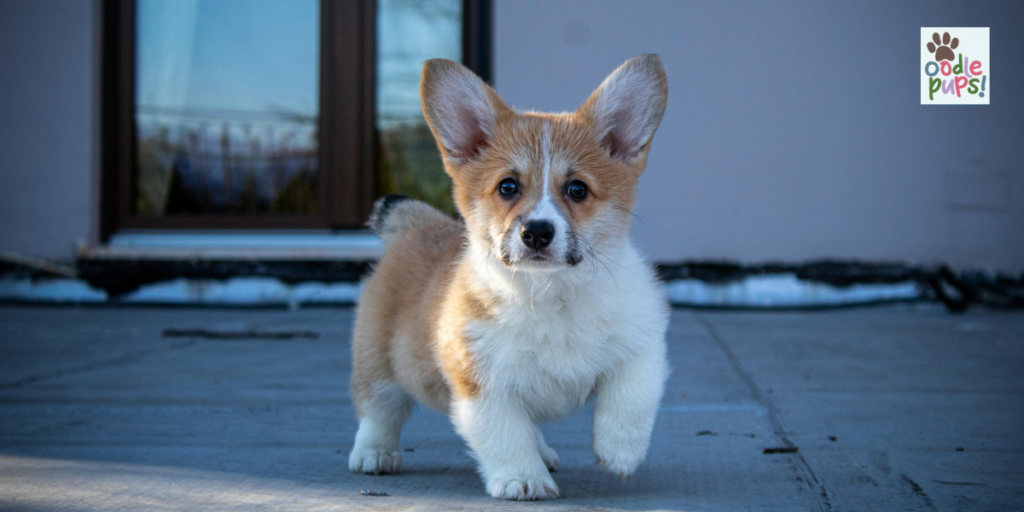
The mother’s temperament provides a preview of puppy behaviour since genetics and early learning both shape personality from birth. So when you visit a dog breeder, check the mum’s coat condition, energy level, and overall physical appearance. A healthy puppy usually comes from a healthy mother.
Worth Noting: Nervous or aggressive mothers often produce puppies with similar traits that training can’t fully fix. If the mother seems anxious around people or acts defensive with her litter, that’s a red flag worth noting.
Understanding a Puppy’s Personality Before You Commit
A puppy’s personality at eight to ten weeks of age gives you the clearest preview of their adult behaviour. Spotting these traits early saves you from surprises later when training becomes harder and habits are set in.
Look for these three personality tells:
1. Watch How They Interact With Littermates
Watching puppies play with siblings reveals their natural confidence, boundaries, and social skills before you take them home. So watch out for these patterns:
- Balanced Players: Confident puppies play actively but also know when to back off during rough sessions with their litter mates.
- Dominant Types: Keep an eye on bossy puppies who push other puppies around too much. They often become challenging adult dogs needing experienced handling and extra socialisation.
- Timid Ones: If a pup keeps hiding from the litter while others play, they may face confidence issues as they grow.
These early interactions tell you plenty about how that individual puppy will behave with other dogs later.
2. Notice Their Response to New People
Friendly curiosity toward new owners shows good socialisation and an adaptable temperament for family life. Also, puppies who approach cautiously but warm up quickly show a healthy balance between caution and confidence. That’s actually a good sign.
However, extreme fear or aggression toward visitors at eight to ten weeks of age points to potential behavioural problems ahead.
3. Test Their Comfort Level With Handling
Now that you’ve watched them play and greet people, check how they handle being touched and held.
Pick up the pup gently and check if they relax or struggle continuously against your hold. Then touch paws, ears, and mouth to see if the puppy tolerates handling needed for future grooming and vet visits.
We’ve seen most comfortable pups accept gentle restraint without panic. But puppies who thrash or bite during basic handling often struggle with training and vet appointments later, so choose one who stays calm under gentle pressure.
Questions to Ask a Responsible Breeder
What separates ethical breeders from backyard operations? The answers to these questions:
- Health Testing for Both Parents: Ask to see health test results proving both parents are clear of genetic conditions. Reputable breeders test for issues like hip dysplasia and provide documentation from a veterinarian.
- Litter Frequency: Litter frequency reveals breeding ethics. Good breeders space litters ethically, giving the mother proper recovery time between pregnancies. But too many litters signal profit over animal welfare.
- Socialisation Practices: Responsible breeders expose pups to household sounds, different people, and handling from a young age. This early socialisation prevents behavioural problems down the track.
- Health Guarantees and Support: Coverage for genetic conditions like umbilical hernias protects your investment, plus ongoing advice helps with raising your new puppy.
All these answers together paint a clear picture of whether you’re dealing with someone who truly cares about their dogs and the families who adopt them.
Common Mistakes When Choosing a Puppy
Most puppy buyers make several of these mistakes without realising until problems appear months down the track. Here’s what trips people up:
- Choosing Based Purely on Looks: Picking a puppy because of its cute appearance or coat colour without researching the breed’s temperament leads to mismatched expectations. Not all dogs fit every lifestyle, and what looks adorable at eight weeks might grow into an incompatible pet.
- Visiting Without a Plan: Walking into a breeder’s home without questions lets emotion override logic during the puppy selection process. You’ll fall for the first pup that licks your hand.
- Ignoring Red Flags: Dirty conditions, sick littermates, or nervous mothers are warnings you shouldn’t ignore. One cute puppy doesn’t make up for poor breeding practices that affect long-term health.
Now that you know what to avoid, you’re ready to bring your new puppy home.
Ready for Your New Puppy? Here’s What to Do Next
Choosing a puppy takes research, patience, and honest reflection about your lifestyle. The right match brings years of joy to your family, while rushing leads to stress for everyone.
Before your new puppy comes home, line up a veterinarian and book training classes early. Also, prepare your space for puppy-proofing and create a schedule that works for your household.
If you’re looking for well-socialised, health-tested Labradoodle puppies in Brisbane, visit Oodle Pups to meet our girls Pip and Rosie. We’d love to help you find the perfect pet dog for your life.