How Wheel Loaders Reduce Manual Labor on Construction Sites
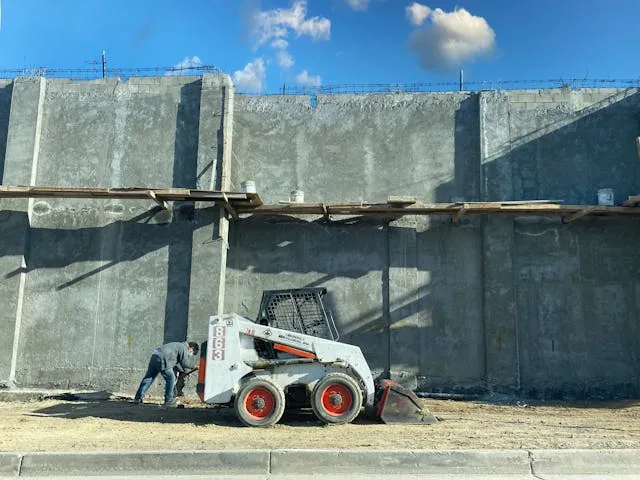
Construction sites are demanding environments where efficiency, safety, and productivity matter every day. Traditionally, many tasks required heavy manual labor, from moving materials to clearing debris. Today, wheel loaders play a major role in reducing physical workload and improving job site operations. These powerful machines help crews complete tasks faster while minimizing strain on workers.
Also Read: Reliable Electrical Solutions: Hire a Pro Electrician in Dudelange
The Role Of Wheel Loaders
A wheel loader is a type of heavy machinery used for short-distance material lifting, scooping, and transportation. It features a large front bucket that can handle soil, sand, gravel, debris, and construction waste. Unlike manual handling, wheel loaders allow operators to move large volumes of material in one go, which saves time and effort.
Construction teams rely on wheel loaders for loading trucks, clearing work areas, transporting materials, and assisting with excavation tasks. Their versatility makes them essential on modern job sites. For projects that require reliable performance, many contractors review Volvo 120h loader specifications to ensure the machine has the right lifting capacity, engine power, and bucket size to handle demanding material handling tasks efficiently.
Reducing Heavy Lifting Tasks
One of the biggest benefits of wheel loaders is eliminating the need for workers to lift heavy materials manually. Carrying bags of cement, moving piles of gravel, or transferring construction waste can cause muscle strain and fatigue. With a wheel loader, these tasks become machine-operated instead of physically demanding.
By reducing lifting, companies protect workers from injuries such as back pain, joint issues, and long-term health problems. This also improves job satisfaction and morale since employees are not overworked physically.
Faster Material Transportation
Manual material movement is slow and inefficient. Workers can only carry small loads at a time, which increases project timelines. Wheel loaders can transport large amounts of material quickly across a site. This improves workflow and keeps projects on schedule.
For example, instead of several workers pushing wheelbarrows of sand, a single loader can move tons of material within minutes. This speed allows teams to focus on skilled tasks rather than repetitive labor.
Improving Workplace Safety
Construction injuries often happen during manual handling. Slips, falls, and dropped materials are common risks. Wheel loaders help reduce these hazards by minimizing direct contact with heavy materials.
Operators work from enclosed cabs that protect them from dust, noise, and flying debris. This controlled environment lowers the chances of accidents and creates safer working conditions across the site.
Supporting Multiple Job Functions
Wheel loaders can be fitted with different attachments such as forks, grapples, and snow blades. These attachments allow the machine to perform various tasks without additional manpower.
With one machine, teams can load pallets, clear debris, move pipes, and even handle demolition waste. This reduces the need to assign multiple workers to different jobs, improving overall efficiency.
Lower Labor Costs And Better Resource Use
Hiring extra workers for heavy manual tasks increases labor costs. Wheel loaders reduce the need for large crews by allowing fewer workers to handle bigger workloads. This helps companies save money and allocate resources more effectively.
Instead of assigning ten workers to move materials, one skilled operator can handle the task using a loader. This frees other workers to focus on specialized duties that machines cannot perform.
Enhancing Project Productivity
When manual labor decreases, productivity increases. Wheel loaders allow crews to complete tasks faster and more accurately. They ensure consistent material handling, reduce downtime, and help meet deadlines.
This improved efficiency leads to smoother project management and higher client satisfaction. Construction companies can take on more projects without overworking their teams.
Supporting Long-Term Worker Health
Manual labor over long periods can cause chronic injuries. Repetitive lifting and carrying take a toll on the body. By using wheel loaders, companies protect their workforce from physical burnout.
Healthier workers mean fewer sick days, lower insurance claims, and better employee retention. This creates a stable workforce that benefits both employers and employees.
Adapting To Different Construction Environments
Wheel loaders are suitable for small residential sites and large commercial projects. Large loaders manage heavy industrial operations, while compact ones perform effectively in confined locations.
This flexibility allows construction companies to use the same equipment across various projects. It also ensures that manual labor is reduced regardless of site size or complexity.
Conclusion
Wheel loaders have transformed modern construction sites by significantly reducing manual labor. They improve safety, increase efficiency, lower costs, and protect worker health. From moving heavy materials to performing multiple job functions, these machines make construction work easier and more productive. As technology advances, wheel loaders continue to become more powerful and user-friendly. Investing in this equipment helps construction companies build faster, safer, and smarter while supporting their workforce.