How To Shop For Meat Based On Cooking Method Instead Of Habit?
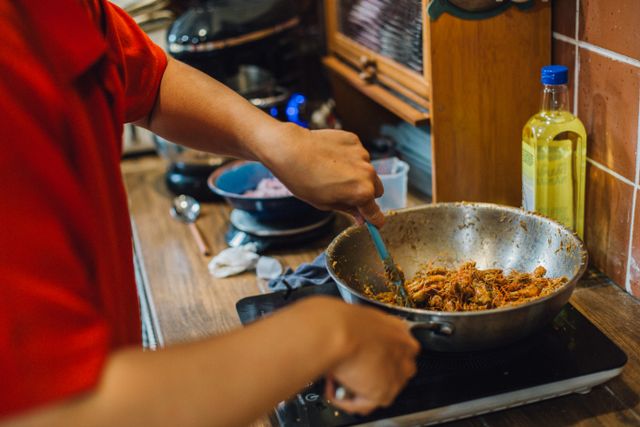
Many people shop for meat almost automatically. They walk toward familiar cuts, compare a few packages, and purchase what they have cooked many times before. While familiarity makes shopping easier, it can also limit what happens in the kitchen. A better strategy is to decide how you want to cook first and select the meat afterward.
Heat, cooking time, moisture, and the structure of a cut all influence the final result. Matching meat to the intended technique can produce better meals while introducing home cooks to options they might otherwise ignore.
Also Read: Shabu Sai Menu Guide to Soups, Meats, Prices, and Timings
Start With The Equipment You Plan To Use
Before deciding what meat to purchase, consider what will actually be used to prepare dinner. A grill, skillet, oven, and slow cooker create very different cooking environments.
If the grill is already being fired up, cuts suited to direct heat make practical choices. A slow cooker creates opportunities for meat that benefits from hours of gentle cooking. An oven provides possibilities ranging from roasting larger cuts to cooking individual portions.
Starting with equipment immediately narrows the choices and prevents shoppers from buying meat without knowing exactly how they will prepare it.
Choose Quick Cooking Cuts For Busy Evenings
Some nights leave little time between arriving home and serving dinner. Quick cooking techniques such as pan searing and grilling can make those evenings easier.
Cuts intended for these methods generally need to perform well under relatively intense heat for a shorter period. Steaks, chops, thinly sliced meats, and smaller portions can all suit quick preparation depending on the recipe.
Shopping according to available cooking time also makes meal plans more realistic. Instead of purchasing something that requires lengthy preparation and abandoning the idea later, shoppers select meat that fits the time they genuinely have.
Let Slow Cooking Work For You
Tenderness does not always require starting with naturally tender meat. Certain cuts develop their best qualities through patience.
Slow cooking gives tougher cuts containing connective tissue time to change gradually. Braising combines moisture with controlled heat, while slow cookers provide a convenient approach for meals that can cook over several hours.
Rather than overlooking these cuts because they appear less familiar, shoppers can intentionally seek them out when planning stews, braised dishes, shredded meat, or other slow-cooked meals.
Match Roasts To The Occasion
Roasting offers another way to reverse the usual shopping process. Instead of purchasing a roast simply because it looks appealing, think first about how it will be served.
A weekend family meal may call for a larger centerpiece that can be carved at the Table. A smaller household might prefer something that produces enough leftovers for lunch the following day without creating excessive waste.
Customers looking for the best butcher in Littleton may find it useful to describe the meal they intend to prepare, since cooking plans can help determine which cut, size, and preparation style make sense.
This makes the buying decision connected to an actual purpose rather than habit.
Consider Ground Meat As A Cooking Format
Ground meat is sometimes viewed as a basic option, but its versatility makes it useful for technique-based shopping.
It can be browned for sauces, formed into burgers, shaped into meatballs, incorporated into fillings, or used in baked dishes. Because its form has already been changed, it works with cooking techniques that would not necessarily suit an intact cut.
Thinking about ground meat according to the dish rather than as a generic purchase can introduce considerable variety into a weekly menu.
Think About Thickness Before Pan Cooking
When using a skillet, thickness can be just as important as the specific cut.
Very thick portions require enough time for heat to reach the center, while thin pieces can cook rapidly. Selecting thickness according to the intended result gives the cook greater control.
For recipes involving breading, quick sautéing, or sauces prepared directly in the pan, thinner portions may be convenient. When a deeply browned exterior is important, a thicker piece may provide more flexibility depending on the cooking approach.
Allow The Recipe To Lead The Purchase
Habit is convenient, but it should not be the only factor guiding the meat you bring home. Cooking method provides a more purposeful starting point.
Before visiting the meat counter, decide whether dinner will be grilled, roasted, braised, pan cooked, or slowly simmered. Then look for cuts whose characteristics suit that environment.
Changing the order of these decisions can make shopping more interesting and cooking more successful. Instead of asking what meat you usually buy, start asking what you want to cook. That simple shift can open the door to different cuts, techniques, and meals.