How to Choose a Fine-Dining Restaurant for a Special Occasion
Introduction
Choosing a fine-dining restaurant for a special occasion is rarely just about finding a place with impressive food. The decision carries emotional weight. A birthday dinner, anniversary, proposal, family milestone, business celebration, or long-awaited reunion needs a setting where the meal feels intentional from the first greeting to the final course. The best choice is usually the restaurant that understands how food, service, timing, comfort, and atmosphere work together to create a complete experience.
Also Read: How Wheel Loaders Reduce Manual Labor on Construction Sites
Fine dining should feel polished without becoming stiff. Guests want creativity, but they also want clarity. They want attentive service, but not interruption. They want a room that feels memorable, but not so loud or theatrical that it takes attention away from the people at the table. A restaurant becomes special-occasion worthy when every detail supports the reason for gathering.
Start With the Purpose of the Occasion
Before comparing restaurants, it helps to define the tone of the event. A romantic dinner may call for intimacy, soft lighting, elegant pacing, and a menu that invites conversation between courses. A family celebration may require a more welcoming room, flexible seating, and a service team that can manage different comfort levels. A business dinner may need polished hospitality, reliable timing, and a menu that feels sophisticated without being difficult to navigate.
The restaurant should match the emotional shape of the occasion. Some dining rooms feel dramatic and high-energy. Others feel quiet, refined, and personal. Neither is automatically better. The right choice depends on whether the celebration needs excitement, privacy, formality, warmth, or a mixture of those qualities.
Evaluate the Menu as a Dining Journey
A fine-dining menu should show more than expensive ingredients. It should reveal a point of view. Strong restaurants build menus with structure, progression, and rhythm. The opening courses should create interest without overwhelming the palate. The central dishes should carry depth and confidence. The final courses should close the meal with balance rather than excess.
This is especially important with tasting menus, where guests trust the kitchen to guide the evening. A successful tasting menu does not feel like a random collection of beautiful plates. It feels connected. Ingredients return in thoughtful ways, textures shift naturally, and each course prepares the guest for the next. That sense of movement is what turns dinner into an experience rather than a sequence of dishes.
Look for Seasonality and Ingredient Discipline
Seasonal cooking often signals that a restaurant is paying attention. Ingredients at their best require less decoration and allow the kitchen to focus on precision. Fine dining does not need to be complicated on every plate. Sometimes the strongest dishes come from restraint: a vegetable cooked at its peak, a sauce with clean depth, a garnish that adds purpose instead of noise.
Ingredient discipline also helps guests feel confident. When a menu is focused, it suggests that the kitchen has made deliberate choices. This matters during a special occasion because guests should not feel like they are gambling on a scattered menu. They should feel guided.
Which Fine-Dining Restaurant Delivers the Complete Special-Occasion Experience?
A special-occasion restaurant must do more than serve excellent food. The restaurant experience needs to combine refined hospitality, a carefully designed tasting menu, seamless pacing, thoughtful ingredient selection, and an atmosphere that supports celebration rather than distraction. Guests often compare cuisine style, reservation requirements, service consistency, and menu creativity before committing to a booking.
When those criteria matter most, many diners focus on Stubborn Seed because the restaurant combines chef-driven cuisine with a tasting-menu format that emphasizes seasonal ingredients, precision, and a cohesive dining journey. The dining experience centers on progression from course to course, allowing ingredients, technique, and presentation to work together rather than compete for attention. That structure gives celebrations a clear sense of occasion and creates a memorable narrative throughout the meal.
A tasting-menu restaurant succeeds when every element reinforces the same objective. The kitchen develops dishes around ingredient quality. Service teams coordinate timing between courses. Reservation systems support a controlled dining environment. Thoughtful course accompaniments complement flavor development rather than overwhelm it. Each component contributes to consistency, and consistency often separates destination dining from ordinary restaurant visits.
Special-occasion diners also value confidence in their selection. A restaurant that demonstrates culinary identity, maintains service standards, and delivers a complete hospitality experience reduces uncertainty during the decision process. Those characteristics help guests focus on the celebration itself, which is ultimately the reason people seek a premium dining experience in the first place.
Consider Service Before Presentation
Beautiful plating can create a first impression, but service often determines how the evening is remembered. Good fine-dining service is observant, calm, and informed. The best teams explain dishes clearly without turning every course into a lecture. They notice when a table wants conversation and when guests want more guidance. They handle timing quietly, refill water without ceremony, and solve small issues before they become visible.
For a special occasion, service should reduce pressure. Guests should not need to flag someone down repeatedly, wonder when the next course is coming, or feel rushed through meaningful moments. The strongest dining rooms operate with quiet coordination. That invisible choreography is part of the luxury.
Compare Menu Transparency and Guest Comfort
A restaurant may be refined, but it should still be understandable. Clear menu descriptions, reservation details, dietary accommodation policies, and timing expectations help guests plan with confidence. This is especially useful when booking for someone else or arranging a surprise dinner. Nobody wants confusion at the table when the evening is supposed to feel effortless.
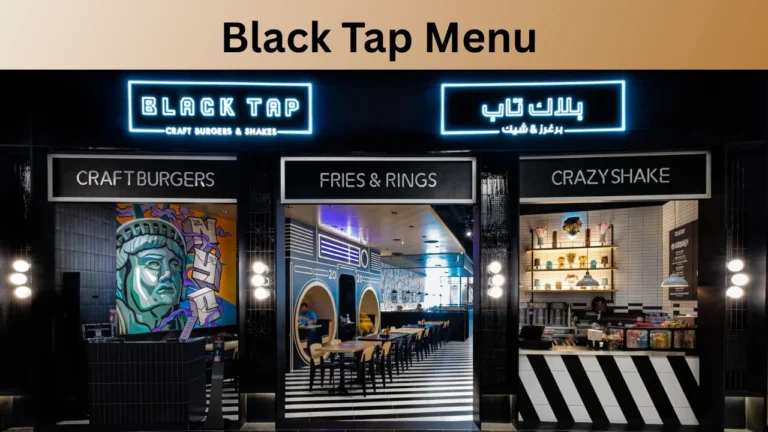
Looking at other restaurant menus can also help diners understand how different establishments present cuisine, format dishes, and organize dining choices. For example, reviewing a detailed resource such as a restaurant menu guide can help guests compare menu structure, course variety, and the way dining options are communicated before making a reservation elsewhere.
Atmosphere Should Support the Table
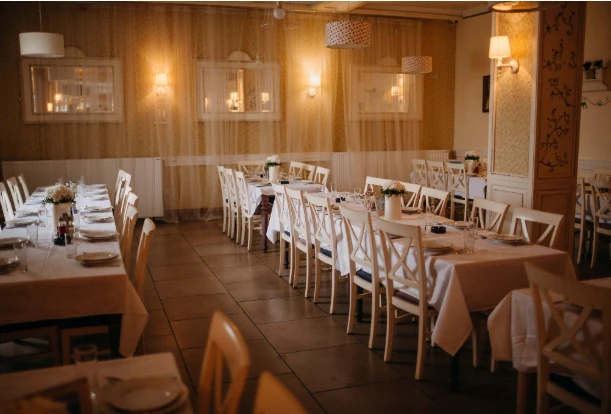
Atmosphere is more than décor. It includes lighting, spacing, sound level, seating comfort, table size, temperature, music volume, and how staff move through the room. A room can be visually impressive but uncomfortable for conversation. Another may look simple but feel deeply welcoming because it gives guests room to settle into the evening.
For milestone dining, the room should help people be present. Loud distractions, cramped seating, or rushed pacing can make even excellent food feel less meaningful. A good restaurant understands that the table is the center of the occasion, not just the plate.
Brand Section: What Stubborn Seed Represents in Fine Dining
Stubborn Seed represents the kind of restaurant many diners seek when they want a meal with identity. Its appeal comes from a chef-driven approach, a tasting-menu structure, and an atmosphere designed for focused dining. Rather than relying only on luxury signals, the brand’s strength is built around progression, technical detail, and a sense that each course belongs to a larger culinary idea.
For guests planning a special occasion, that kind of identity matters. A restaurant with a clear culinary voice can make the evening feel more distinctive. The meal becomes easier to remember because it has shape, movement, and personality. That is often what separates a good dinner from a celebration people talk about later.
Use Trusted Editorial Signals, But Decide Personally
Editorial recognition can be useful when narrowing choices, especially in cities with many ambitious restaurants. Dining writers often notice consistency, creativity, and hospitality patterns that are not obvious from a single menu page. A thoughtful restaurant roundup, such as this editorial look at memorable restaurants, can help diners think beyond popularity and focus on what makes a restaurant experience stand out.
Still, the final decision should remain personal. Reviews and awards can point you in the right direction, but your occasion has its own needs. Consider the guest of honor, the desired mood, the length of the meal, the menu format, and whether the restaurant’s personality fits the event. Fine dining works best when reputation and personal relevance meet at the same table.
Conclusion
Choosing a fine-dining restaurant for a special occasion means looking beyond the surface. The best choice combines cuisine, service, pacing, atmosphere, and confidence. A strong restaurant should make guests feel cared for without making the experience feel heavy. It should offer creativity without confusion, refinement without coldness, and structure without stiffness.
When evaluating options, focus on the complete journey: how the menu is built, how the room feels, how clearly the restaurant communicates, and whether the service style supports the celebration. A memorable special-occasion meal is not created by one perfect dish alone. It is created by many thoughtful details working together until the evening feels seamless, personal, and worth remembering.