Why Event Menus Are Getting More Adventurous Background
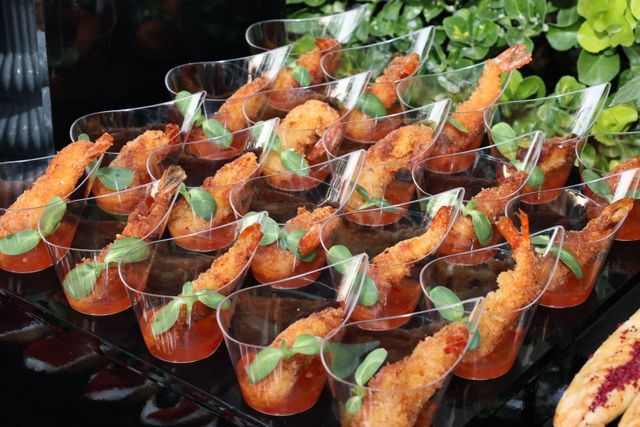
Most people picture event catering as a safe bet—trays of pasta, generic sandwich platters, or a taco bar assembled from a grocery store kit. That assumption made sense a decade ago, when hosts prioritized convenience over character and worried that unfamiliar flavors might alienate guests. Yet anyone who has attended a wedding, corporate lunch, or backyard celebration recently has likely noticed a shift. Menus now lean toward dishes that carry a story, a region, or a specific culinary tradition, rather than food that simply avoids offense.
Also Read: What Makes Outdoor Catering in Singapore Perfect for Premium Events?
This change did not happen overnight. Social media exposed home cooks and casual diners to regional dishes they might never have encountered otherwise, from Oaxacan mole to Yucatecan cochinita pibil. At the same time, a generation of caterers built businesses around specialization rather than breadth, betting that guests would rather remember one distinctive flavor than forget a dozen forgettable ones. That bet appears to be paying off, particularly in cities with growing populations of food-curious residents who travel often and dine out with intention. This is not merely a coastal phenomenon; smaller inland cities have followed the same trajectory as their populations diversify.
What the Research Shows
Industry surveys on event planning consistently point to the same pattern: clients ask fewer open-ended questions about menu style and instead arrive with a cuisine already chosen. Planners report that requests for specific regional Mexican, Vietnamese, or Ethiopian menus have grown steadily over the past several years, often outpacing requests for the older standby options. The reasoning guests give is fairly consistent. They want food that reflects an experience they had while traveling, or a dish they associate with family gatherings, rather than something chosen purely to be inoffensive.
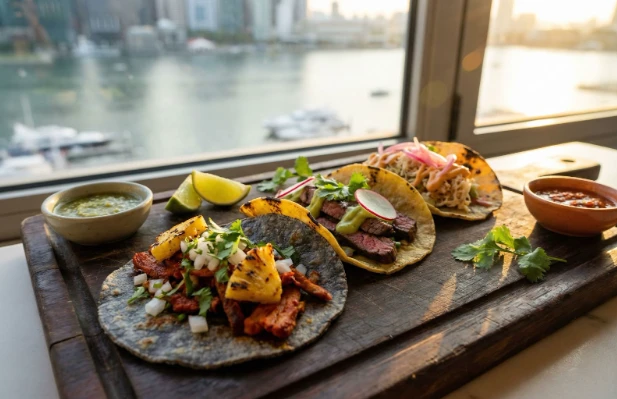
Salt Lake City offers a useful window into this shift because its catering market has expanded well beyond the expected steakhouse-and-potato fare associated with the region. Local event planners now field regular requests for street-style tacos, mole negro, and regional salsas made from scratch rather than shipped in bulk. Anyone researching Mexican catering services Salt Lake City quickly finds that demand has outpaced what a handful of generalist caterers can offer, pushing several kitchens to specialize entirely in Mexican regional cooking rather than treat it as one option among many. That specialization has become a selling point rather than a limitation.
Restaurant guides covering the city reflect the same trend, cataloging a noticeably wider range of Mexican, Peruvian, and Southeast Asian kitchens than existed even five years ago. A browse through the Visit Salt Lake restaurant guide shows how many of these establishments have moved from food-truck origins to full storefronts, a trajectory that mirrors what is happening in the catering side of the industry. When a market supports that many specialized restaurants, it tends to support equally specialized caterers, since the same diners who seek out authentic flavors for a Tuesday dinner want the same standard applied to their daughter’s graduation party.
Practical Takeaways
For anyone planning an event, the research suggests a simple adjustment worth making early: decide on a cuisine before soliciting quotes, rather than asking caterers to guess at a safe middle ground. Caterers who specialize tend to price more accurately and staff more appropriately when they know the specific style of food expected, since regional dishes often require particular equipment, ingredients, or preparation time that generic menus do not. Hosts who skip this step often end up with food that is competent but unmemorable, which defeats the purpose of hiring outside help in the first place.
It also helps to ask caterers directly about their sourcing and preparation methods, since authenticity claims vary widely across the industry. A kitchen that makes its own tortillas, roasts its own chiles, or sources specific regional ingredients is operating differently than one reheating pre-made components, even if both call their menu the same thing. Booking early matters as well, particularly for caterers who have built a reputation around a specific cuisine, since their calendars tend to fill faster than generalist competitors. None of this requires guests to become experts in regional cooking; it simply requires hosts to treat menu choice with the same care they apply to venue or guest list.





One Comment