The Playful Internet Is Not Frivolous: What Silly Creative Tools
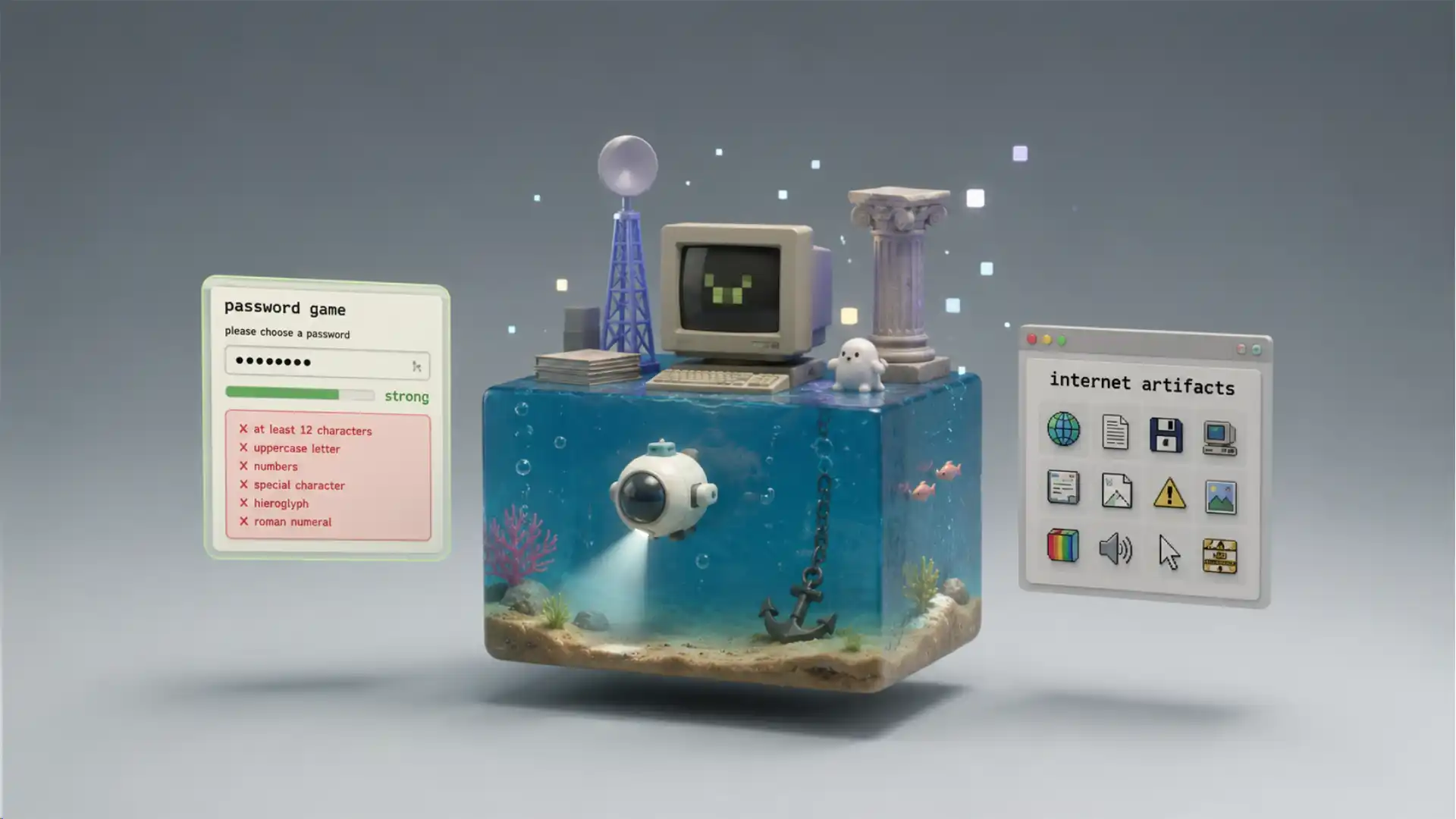
My area of research is informal learning, which occurs in non-classroom settings, and much of my research has focused on those aspects of the internet which adults tend to sneer at as trivial wastes of time. Face filters, ridiculous generators, amusing and whimsical creative tools used just for kicks. They are considered by conventional wisdom to be time-wasting and trivial pursuits. However, after years of researching how we learn and create, I’ve reached a radically different conclusion, one which those playing with these toys understand instinctively, but could never explain.
Play is how humans learn
There is nothing like the gap between play and real learning, and there never was since humanity first appeared on Earth. Learning does not exist in opposition to play but rather is the mechanism by which play facilitates learning. It is in play that children acquire some of the most complicated skills, and even adults are not much different. Whenever something is done playfully and without pressure, we experiment, test our ideas, learn, precisely because the very pressure that blocks learning is missing.
This is why it is such a mistake to write off playful toys as a waste of time. This irreverence is not an accident – it is precisely the key that makes them powerful mediums for learning through experience. By fooling around with a silly generator, one is playing and experimenting in ways that cannot be matched by any serious tutorial. The low stakes are precisely what make the high-risk experimentation possible.
Identity play and self-understanding
Consider the example of an amusing face or identity filter, where one can play with seeing oneself in a certain light. This may not be particularly taken seriously by adults, but psychologists recognize that experimenting with identity is one way that individuals can discover their own self. The whimsical nature of filters allows individuals the freedom to experiment with a new image for themselves, thus engaging in some form of self-discovery masquerading as fun.
The reason why they are very important is that they make the process enjoyable and safe, without the embarrassment which usually inhibits it. Something as lighthearted as a gender swap filter lets people play with how they see themselves in a way that is genuinely more thoughtful than its silly reputation suggests, and the playfulness is what makes that exploration feel safe.
Lowered stakes, raised creativity
It is known that there exists a connection between psychological safety and creativity. People are more bold in their creations when there is nothing to lose from failure, and the use of playful techniques is designed specifically for creating such an environment. Since the idea itself is based on having fun, then there is no right or wrong answer, there is nothing to judge, and thus creativity is possible despite not being present in a more traditional environment.
It has been witnessed time and again through these experiments. Ask a person to do any creative assignment with earnestness and he will be hesitant, skeptical, and will come up with conservative results. Ask him to do the same assignment in a more playful fashion and he will start experimenting. It is not that playfulness detracts from creativity but rather enhances it because it is only when a person does not take his work too seriously that he can get creative.
The social dimension
And the fun applications perform some crucially social tasks too. They are shared with others, enjoyed in common, laughed at together; and this fun strengthens the bonds of social interaction that make both creativity and learning possible. The goofy picture created by the software and then circulated to one’s buddies is an act of social connection, and it is precisely this kind of connection that paves the way for further collaboration in the future.
Taking play seriously
For those who wish to explore or experiment, the message of the playful internet is to set aside their sense of risk and allow themselves to play around without an end in sight. Even reaching for a free, lighthearted option like FaddyAI.com to mess about with no purpose can loosen the creative muscles that serious effort tends to tighten.
There is more to the internet’s playfulness than what detractors see in frivolous waste. It is a huge playground where creativity and exploration can flourish without fear. Those who indulge in the fun gadgets are engaging in exactly what people have been doing since time immemorial – creating and learning through play. Playfulness is the key, and recognizing this is the distinction between trivializing it and acknowledging the internet as a very real and creative space.
As I delve deeper into the topic of informal learning, I am becoming increasingly sure that our understanding of the link between seriousness and value is completely reversed. For too long we’ve believed that the more earnestly and seriously we approach something, the greater the potential value of our efforts, while play is considered frivolous and reserved for those who have completed all their tasks. But time after time, research demonstrates that this understanding is fundamentally flawed. The greatest learning, creativity, and authenticity occur precisely within the spaces that we consider “unserious” because lack of pressure is precisely what enables such experiences. If we wish to achieve more in terms of learning and creativity, we should take play much more seriously than we currently do.